Bearing identification often starts with a part number, but worn or contaminated components do not always leave that number readable.
Look for all markings
Clean only enough to read the markings without damaging evidence. Photograph numbers, letters and suffixes on both sides of the bearing and on any housing. Manufacturer prefixes and suffixes can carry important information.
Measure the basic dimensions
For many standard bearings, measure bore (inside diameter), outside diameter and width. Use suitable measuring tools and record units. A near measurement taken with a ruler can easily point to the wrong series.
Record the construction
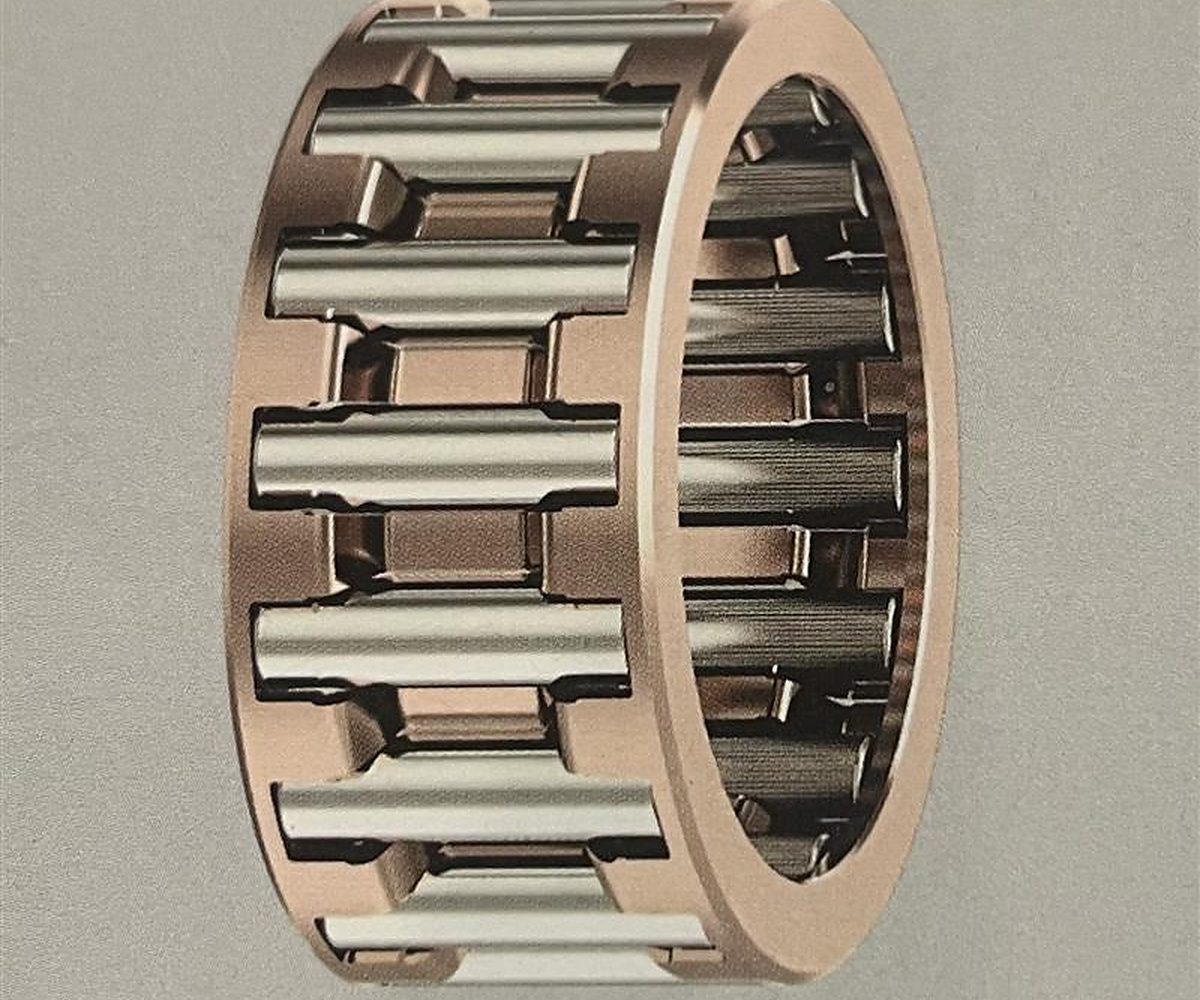
Note whether the bearing appears open, shielded or sealed, and whether it uses balls, cylindrical rollers, needles, tapered rollers or another arrangement. Mounted units also need housing and mounting information.
Include the application
Equipment model, shaft speed, load direction, environment and lubrication arrangement can matter if an exact original reference cannot be found.
Do not assume dimension equals equivalency
Two bearings can share basic dimensions but differ in internal clearance, precision, sealing, load capability or other properties. A proposed replacement should be checked against the actual requirement.
Have a sourcing request?
Use the RFQ form to send the part number, quantity, photos, drawings and delivery details you already have.